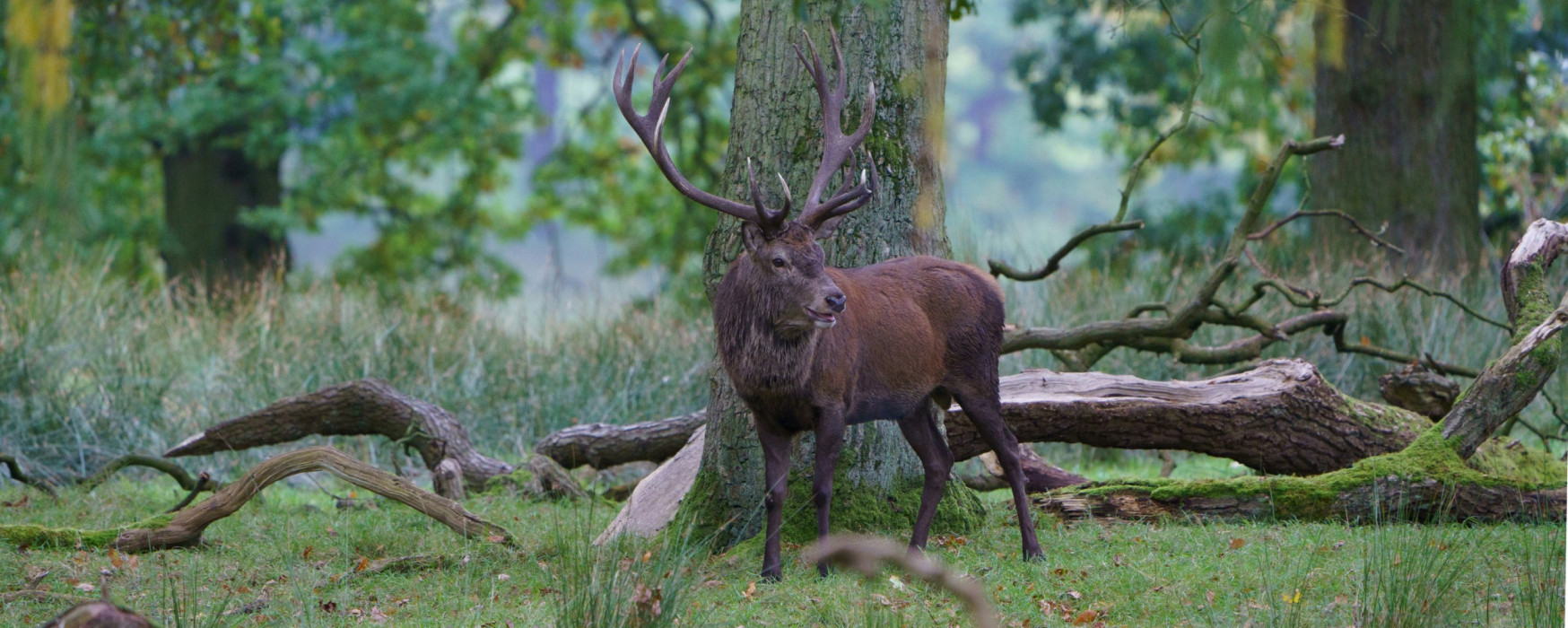
Wildlife Tips While Traveling: How to Enjoy and Protect Nature
Exploring wildlife during your travels can be one of the most enriching experiences. Whether you’re trekking through lush jungles, visiting nature reserves, or simply observing animals in their natural habitat, interacting with wildlife offers a unique perspective on the world around us. However, enjoying wildlife responsibly requires mindfulness and preparation. Below are essential tips to help you have a safe and respectful wildlife adventure.
1. Research Your Destination
Understanding the local flora and fauna before you arrive will help you make informed decisions during your trip. Learn about:
- Native species you might encounter
- Wildlife conservation efforts in the area
- Any local regulations or permits required for wildlife encounters
Knowledge not only enhances your experience but also ensures that you engage responsibly with the environment.
2. Keep a Respectful Distance
Getting too close to animals can be stressful for them and dangerous for you. Use binoculars or a zoom lens to observe wildlife without intruding on their space.
- Follow guidelines from park rangers and wildlife experts.
- Never chase, corner, or attempt to touch wild animals.
3. Follow Leave No Trace Principles
Respect nature by leaving it as you found it. This includes:
- Packing out all trash, including biodegradable items.
- Avoiding picking plants or disturbing natural features.
- Staying on designated trails to protect habitats.
4. Avoid Feeding Wildlife
Feeding wild animals can alter their natural behaviors and make them dependent on human food, which is often harmful to their health.
- Keep food securely stored.
- Be vigilant about cleaning up crumbs and food waste.
5. Respect Protected Areas
Many wildlife habitats are located in national parks, reserves, or conservation areas with strict rules to protect biodiversity.
- Adhere to posted regulations.
- Support conservation efforts by paying park fees and following guidelines.
6. Use Ethical Wildlife Tours
Choose tour operators who prioritize animal welfare and conservation.
- Look for certifications from reputable conservation organizations.
- Read reviews and ask questions about the tour’s practices.
- Avoid tours that involve handling or exploiting animals.
7. Dress Appropriately
Wear clothing that helps you blend into the environment and protects you from the elements.
- Choose neutral-colored clothing to avoid startling animals.
- Use insect repellent and wear long sleeves in areas with insects.
8. Be Quiet and Patient
Wildlife encounters often require patience and a quiet demeanor.
- Move slowly and avoid sudden movements.
- Silence your phone and minimize noise.
9. Capture Memories Responsibly
Photography is a wonderful way to document your wildlife experiences, but it should never come at the expense of the animals.
- Use a telephoto lens to capture shots from a distance.
- Avoid flash photography, which can disturb animals.
10. Support Conservation Efforts
Consider contributing to conservation initiatives to help protect wildlife and their habitats.
- Donate to reputable organizations.
- Volunteer for wildlife conservation projects.
Final Thoughts
Traveling to see wildlife is a privilege that comes with responsibility. By following these tips, you can ensure that your encounters are not only memorable but also respectful and beneficial to the environment. Remember, every action you take contributes to the protection and preservation of the incredible wildlife that makes our planet so diverse and beautiful.